Categories
Uncategorized

Elton John and Brandi Carlile Soar on Who Believes In Angels?

When two musical worlds collide with this much heart, you don’t just listen—you feel it in your bones. Who Believes In Angels?, the unexpected but deeply resonant collaboration between Elton John and Brandi Carlile, is more than just an album; it’s a conversation between generations, genres, and spirits. With a title that sounds like a hymn and a dare, the project arrives steeped in the sacred and the searching, bridging John’s decades-long legacy of glam, grief, and grandiosity with Carlile’s raw, rootsy truth-telling. This isn’t just about two powerhouse voices—it’s about the emotional weight they carry, the stories they tell, and the healing they offer along the way. Whether you’re a lifelong fan or stepping into their orbits for the first time, this album asks a tender, timely question: What do we believe in now?

Right away, one of John and Carlile’s most intriguing choices with Who Believes In Angels? is splitting the album into two discs—a rare move in today’s streaming-heavy world, but one that signals intention. This isn’t just a playlist of songs tossed together; it’s a structured, almost cinematic experience. Each disc seems to tell its own story while remaining part of a greater, emotional arc. That decision sets the tone for an album meant to be absorbed, not just consumed.

Musically, it’s a well-paced journey—an ebb and flow between slow-burning ballads and upbeat, sometimes defiant anthems. The tracklist has an emotional rhythm that keeps the listener on their toes without ever feeling disjointed. It leans into both artists’ strengths: John’s piano-driven drama and Carlile’s folk-rock grit.

Two songs in particular made an immediate impression. The title track, “Who Believes In Angels?,” feels like the heart of the album—an aching, gospel-tinged meditation that sounds like it was pulled straight from a stained-glass memory. It’s reflective, searching, and delivered with a vulnerability that lingers long after the final note. In contrast, “Swing For The Fences” bursts with life. It’s bold, fiery, and charged with a hopeful urgency—a rallying cry for anyone who’s ever dared to dream big or love hard.

Those first listens hint at the emotional range and intentional craftsmanship behind the album. It’s clear from the outset that this is not just a cross-generational collaboration; it’s a work of art.

Lyrically, Who Believes In Angels? is rich with emotional weight and thematic depth. It wrestles with big, timeless questions—about faith, legacy, resilience, and the fragility of hope—without ever tipping into melodrama. What’s most striking is how the album feels both deeply personal and universally resonant, like a letter to the past and a prayer for the future.

The title track sets the tone thematically: a gentle reckoning with belief in a world that often feels broken. Without demanding an answer, it asks whether holding on to something spiritual—or even just optimistic—is still possible. That same spiritual thread weaves through the entire project, not in overt religious language, but through subtle invocations of light, grace, and redemption. The lyrics don’t preach; they plead—gently, beautifully, and sometimes desperately.

One of the most powerful lyrical through-lines is the idea of survival, not just in the face of hardship, but despite it. On songs like “Swing For The Fences,” there’s a fiery insistence on pushing forward, even when the odds aren’t in your favor. The chorus, full of grit and swagger, becomes an anthem for anyone who’s ever felt underestimated. 

There are moments of tenderness too—songs where love is shown not as a grand gesture, but as quiet presence. The lyrics lean into vulnerability, nostalgia, and longing, often pulling from both artists’ life experiences without ever feeling self-indulgent. Whether they’re singing about queer identity, chosen family, or simply the ache of growing older, John and Carlile write like they’re sharing secrets with the listener.

Together, their pens carve out space for reflection, rebellion, and radical hope. It’s the kind of writing that doesn’t just speak—it listens.

Vocally, Who Believes In Angels? is nothing short of mesmerizing. John and Carlile don’t just trade verses—they intertwine, elevate, and challenge each other in ways that feel both organic and electric. It’s a duet in spirit, even when they’re not singing together, because their voices haunt each other’s melodies, like echoes from different lifetimes converging in the same space.

John, as ever, brings that unmistakable warmth and theatricality to the table—his voice a little more weathered, but still powerful, especially on the album’s more introspective moments. His delivery’s a lived-in beauty, especially when he leans into lower registers, where pain and wisdom seem to settle. Carlile, on the other hand, brings fire. Her vocals are raw, textured, and unrelentingly human. Whether she’s soaring through a chorus or cracking just slightly on a fragile note, there’s nothing polished about her performance—and that’s exactly what makes it gripping.

Together, they find a balance that feels sacred. On tracks like “Who Believes In Angels?,” their harmonies feel reverent, like a prayer whispered between two pews. But on more upbeat numbers like “Swing For The Fences,” they let loose, their voices colliding in a way that feels joyful and rebellious. It’s less about perfection and more about presence; both artists show up fully.

Instrumentally, the album is a tapestry of John’s signature piano work, Carlile’s acoustic sensibilities, and thoughtful production that never overshadows the storytelling. There are sweeping string arrangements, gritty guitar lines, and moments of quiet stillness where a single instrument is all that’s needed. The spacious, soulful, and often cinematic production lets every song breathe. No sound feels accidental, but nothing feels overproduced either.

This isn’t an album trying to impress with complexity. It’s confident in its simplicity, letting the strength of the performances and the weight of the lyrics carry the emotional load.

Who Believes In Angels? isn’t just a collaboration—it’s a cultural moment. It’s rare by accident that legends like John choose their creative partners late in their careers. In Carlile, he’s found more than a kindred spirit; he’s found a torchbearer who shares his commitment to storytelling, emotional honesty, and defying expectations. This album feels like a passing of the baton and a standing ovation.

For John, this record expands his legacy beyond pop stardom into something even more profound: mentorship, reflection, and reinvention. He’s no longer the rocket man charging ahead—he’s the lighthouse, guiding others home. And yet, he’s not retreating into nostalgia. His work here is vital, present, and deeply felt.

For Carlile, Who Believes In Angels? cements her role as a generational voice—one who can walk alongside giants without ever shrinking herself. She doesn’t fade into John’s shadow; she stands beside him, fully lit, bringing her own lived experience, grit, and grace to the table. Her continued advocacy for LGBTQ+ voices, women in music, and emotional vulnerability finds an even broader audience through this partnership.

Together, they bridge gaps between generations, genres, and identities. The album doesn’t just appeal to longtime John fans or Carlile’s Americana base; it reaches into multiple communities and invites them to connect through something universal: the search for meaning, for belief, for belonging. There’s also something quietly radical about two openly queer artists making an album steeped in spirituality, not as a performance but as a reclaiming of faith on their own terms. In a time when so much music feels fleeting, Who Believes In Angels? dares to be lasting. It doesn’t chase trends—it creates space. Space to reflect, to remember, and maybe even to heal.

Categories
Music News Reviews

AJ Mitchell Explores New Heights in As Far As The Eye Can See

AJ Mitchell’s latest album, As Far As The Eye Can See, is a heartfelt collection of sweet melodies that explore the many shades of love. From euphoric romance to bittersweet longing, Mitchell crafts a sonic journey filled with lush instrumentals and emotionally charged lyrics. Known for his smooth vocals and introspective songwriting, he leans into a more mature sound on this album, delivering intimate and universally relatable tracks. Whether falling in love or reminiscing about what once was, As Far As The Eye Can See offers a soundtrack that captures the essence of love in all its forms.

As Far As The Eye Can See comes close to Mitchell’s best work but ultimately falls short of Skyview. While the production is polished and showcases Mitchell’s signature blend of pop and R&B influences, the album’s pacing keeps it from reaching its full potential. Skyview excelled in its dynamic contrast, balancing high-energy tracks with softer, more introspective moments, creating a sense of movement that kept listeners engaged.

In contrast, As Far As The Eye Can See leans heavily into slower, atmospheric melodies, which, while well-executed, can sometimes detract from the album’s overall vibe. The lush production and smooth instrumentation highlight Mitchell’s vocals beautifully, but the lack of variation in tempo makes certain sections feel overly subdued. Despite this, the album still delivers moments of brilliance, particularly in its crisp production and emotionally charged arrangements.

AJ Mitchell’s latest album is packed with emotionally charged songs, but a few tracks truly stand out for their depth and impact.

“One On One” sets the tone for the album with its smooth melodies and heartfelt lyrics about longing and connection. The stripped-down production allows Mitchell’s vocals to take center stage, making every word feel intimate and raw.

“Flowers On The Moon” offers a dreamlike quality, blending ethereal instrumentals with poetic lyricism. The song’s reflective nature makes it one of the most emotionally resonant tracks on the album, as Mitchell explores themes of hope, loss, and unattainable love.

“Cut Me So Deep” is one of the album’s most powerful moments, delving into heartbreak with striking honesty. You can hear the pain in his voice as he delivers lyrics that feel deeply personal and universally relatable. The haunting production adds to the song’s intensity, making it a standout for listeners who appreciate raw emotion in music.

Then there’s “AFATECS”, a track that surprises with its dynamic energy while still carrying emotional weight. The title is intriguing, and the song’s layered production and introspective lyrics highlight it. It showcases Mitchell’s ability to balance vulnerability with anthemic moments, proving his growth as a songwriter and performer.

Throughout the album, there’s an undeniable sense that every lyric comes from a deeply personal place. Mitchell pours his heart into these songs, making the listening experience feel like an intimate glimpse into his emotions and experiences.

Mitchell’s latest album delves into a range of emotional and personal themes, showcasing his growth as a songwriter. Throughout the album, he explores love, heartbreak, self-reflection, and the struggles of navigating young adulthood. His lyrics feel more introspective than ever, often balancing vulnerability with a sense of resilience.

There’s a poetic simplicity to his writing—he doesn’t overcomplicate emotions, instead opting for direct yet evocative language that resonates. At times, however, certain themes feel familiar to his previous work, leaving some tracks less distinct. Still, the overall cohesion of the album’s storytelling makes for an engaging and emotionally rich listening experience.

As Far As The Eye Can See showcases his evolution as an artist, blending heartfelt lyricism with polished production. His ability to craft emotionally resonant tracks remains a highlight, and the album offers a mix of upbeat anthems and introspective ballads that cater to both longtime fans and new listeners. While some songs may feel formulaic or rely on familiar themes, the album’s strongest moments shine through Mitchell’s vocal performance and compelling storytelling.

The album is a solid step forward in his career, demonstrating his growth while leaving room for further artistic exploration. Fans of contemporary pop and R&B will find plenty to enjoy, and this release cements AJ Mitchell as a rising star with staying power.

Categories
Music News Reviews

David Archuleta finds his “Freedom”

David Archuleta has long been known for his smooth vocals and heartfelt performances, ever since winning over audiences on American Idol. With his cover of George Michael’s iconic hit
“Freedom,” Archuleta takes on a musically dynamic and deeply symbolic song. Initially released in 1990 as an anthem of self-expression and liberation, “Freedom” remains one of Michael’s
most celebrated tracks. Archuleta’s interpretation of the song presents an intriguing blend of nostalgia and fresh artistry, raising the question—does he do justice to the original while making it his own?

Archuleta’s vocal prowess, a defining feature of his artistry, is on full display in his rendition of “Freedom.” His signature clarity and emotional depth bring a new dimension to the song. From the first notes, Archuleta delivers the song with a smooth yet powerful delivery that aligns well with its anthemic nature. His ability to seamlessly transition between soft, controlled verses and soaring, passionate choruses adds a new layer of intensity to the track, leaving the audience in awe of his vocal control and emotional depth.

One of the most notable aspects of Archuleta’s performance is his attention to phrasing and nuance. While Michael’s original featured a mix of grit and effortless cool, Archuleta leans into a more polished and emotive approach. His vocal runs are clean and precise, and he adds subtle embellishments that personalize the song without straying too far from the original melody.

In the high-energy sections, particularly in the chorus, Archuleta delivers with a sense of conviction that makes the message of “Freedom” feel just as urgent and relevant as it did in the ’90s. While his tone is naturally softer than Michael’s, he compensates with expressive vocal dynamics, building tension and release in all the right places. His controlled yet impassioned delivery ensures that the song remains a vocal showcase and a heartfelt tribute to the late music legend.

David Archuleta’s cover of “Freedom” is a minute shorter than George Michael’s original, offering a more streamlined version of the song that still packs an emotional punch. While Archuleta trims some of the song’s length, he retains the powerful gospel elements that made the original so stirring. The background choir and soaring backing vocals remain key to the arrangement, providing a sense of uplift and reverence.

What’s striking is how Archuleta delivers the song with his soulful flair. His version feels intimate yet powerful, leaning into the song’s celebratory spirit with subtle yet impactful vocal runs. The
production stays true to the spirit of Michael’s version but with a slightly more stripped-back, organic feel that highlights Archuleta’s vocal strength. Rather than overpowering the song with excessive layers, the production lets his voice shine, offering a modern yet respectful tribute to Michael’s legacy.

As the first cover I’ve heard from Archuleta, his take on “Freedom” left a strong impression. Archuleta has always carried an air of sincerity and vulnerability in his music, and “Freedom” perfectly matches his personal identity. With its message of liberation and self-expression, the song pairs effortlessly with Archuleta’s journey, especially in recent years, as he’s embraced his freedom and authenticity in his music and public life. His heartfelt delivery feels genuine as if he’s not just covering a classic but embodying the spirit of the song.

The cover has deeply resonated with Archuleta’s fans, who are drawn to his openness and courage. For newer listeners, it introduces them to the powerful message of “Freedom” while showcasing Archuleta’s ability to reinterpret well-known songs. This cover fits naturally within his evolving artistic direction, demonstrating a willingness to take on a bold, empowering anthem. Archuleta’s version doesn’t just revitalize the classic; it enhances it, offering a fresh perspective that feels deeply personal and authentic. The shared appreciation for this cover creates a sense of community among his fans and listeners.

Categories
Reviews

Circa Waves’ ‘Death & Love, Pt. 1’ Struggles to Stand Out Amid a Crowded Indie Scene

Circa Waves has long been a staple of the indie rock scene, known for their infectious melodies, driving guitar riffs, and lyrics that balance youthful energy with emotional depth. Their latest release, Death & Love, Pt. 1 arrives at a pivotal moment in their career, following a string of successful records that cemented their reputation as festival favorites and playlist regulars. With the buzz surrounding lead singles like “T-Shirt Weather” and “Sad Happy,” fans and critics alike have speculated whether this album marks a bold new direction for the band or a nostalgic return to their roots. 

Circa Waves first burst onto the scene in 2015 with their debut album, Young Chasers, a high-energy collection of sun-soaked indie anthems that earned them a loyal following. Tracks like “T-Shirt Weather” became instant classics, embodying a carefree, festival-ready vibe. Over the years, the band has evolved, experimenting with darker themes and more polished production on subsequent albums like Different Creatures and What’s It Like Over There?, showcasing their range and maturity. This evolution is a testament to their commitment to their craft and fans. 

Death & Love, Pt. 1 comes at an intriguing time for the band. After the reflective tone of their previous record, Never Going Under, which juxtaposed upbeat rhythms with introspective lyrics, fans were curious about what direction Circa Waves would take next. Would they lean further into recent years’ brooding, contemplative sound or recapture the raw, feel-good energy of their early days? 

Adding to the intrigue, the band hinted at fresh influences during the album’s promotional rollout, teasing a mix of nostalgia and reinvention. With a career marked by consistent growth and reinvention, Death & Love, Pt. 1 promises to be another milestone for Circa Waves. 

Death & Love, Pt. 1 sits firmly in the middle ground of Circa Waves’ discography—not a bad album by any means, but not a standout. It’s the kind of record that feels comfortable and familiar, yet it struggles to carve out a space that distinguishes it from the growing competition in the indie rock scene. While the band maintains its knack for crafting catchy hooks and singable choruses, the album lacks the spark or innovation to elevate it to greatness. 

It’s not hard to imagine Death & Love, Pt. 1 being overshadowed by the output of other indie bands this year. This album feels safe, with many groups pushing boundaries and experimenting with new sounds. It has its moments—flashes of energy and charm that remind listeners why Circa Waves earned their place in the genre—but these moments are too few and far between to make a lasting impression. Ultimately, Death & Love, Pt. 1 is a solid, listenable album, but it’s unlikely to be the one that defines the year for indie music fans. 

There are some standout moments on Death & Love, Pt. 1, and I enjoyed five of the nine tracks. “Le Bateau” kicks things off with a driving rhythm and a catchy melody that feels fresh and familiar, setting the tone for the album’s more upbeat moments. “Hold It Steady” follows suit, blending infectious guitar work with lyrics that touch on perseverance, making it a memorable addition to the tracklist.

“Let’s Leave Together” is another highlight, with its nostalgic vibe and sweeping chorus that gives the track an anthemic quality. It’s the kind of song that feels tailor-made for festival crowds, and I can already picture it becoming a fan favorite. “Blue Damselfly” offers a moment of introspection with a more atmospheric sound that shifts the album’s mood, showing the band’s ability to diversify their sound and evoke different emotions. Finally, “Bad Guys Always Win” delivers a satisfying punch, wrapping up the album with a gritty edge that feels like a bold statement despite the track’s relatively familiar structure. 

While these songs stood out, a few others didn’t leave the same impact, but I found myself returning to these five tracks after each listen. 

The album’s central themes are centered around introspection, relationships, and navigating life’s ups and downs, but there’s a sense that these ideas could have been explored more deeply. The lyrics occasionally touch on personal struggles, yearning for escape, and questioning the direction of one’s life, which offers a relatable touch. However, there’s a feeling that some of these themes are explored only on the surface rather than delved into with the emotional depth that would make them stand out. 

As for cohesion, the album presents itself as a collection of songs that feel loosely connected by mood and tone, though it doesn’t have the kind of tight narrative or sonic flow that would make it feel like a fully cohesive body of work. The transitions between tracks are sometimes jarring, as certain songs shift from upbeat, festival-ready anthems to more contemplative ballads without much warning. While the overall vibe remains consistent, the album’s pacing can sometimes feel a little uneven, with a few tracks that blur together and lose their individuality. 

That said, there are moments when the album truly shines, particularly when it finds a balance between energy and introspection. These moments make it clear that the band has the potential to create something more significant. Unfortunately, the album as a whole doesn’t quite deliver the level of cohesion that would make it a memorable standout in the indie genre this year.

Categories
Uncategorized

Noah Kahan Perfectly Blends Midwest Nostalgia at ‘Live From Fenway Park’

Noah Kahan has swiftly transitioned from a humble Vermont native with a knack for heartfelt storytelling to a folk-pop sensation captivating audiences worldwide. Known for his introspective lyrics and raw, passionate vocals, Kahan’s music resonates deeply with fans who cherish his ability to turn personal experiences into universal anthems. His breakout moment came with Stick Season, an album that celebrated the beauty and bittersweetness of New England life, firmly establishing him as a voice for both his generation and his home region.

With its historic and iconic appeal, Kahan recently performed live at Fenway Park in Boston, where fans experienced Stick Season. This album serves as a landmark moment in the singer’s career. Although I didn’t experience the album live, I gathered one of the best renditions of the Spotify experience. 

The crowd’s energy appeared incredible and extremely vocal as fans didn’t skip a beat regarding Kahan’s lyrics. The acoustics sounded crisp and clear, which is as close to the real deal as possible! The singer thanked the fans for listening to his “depressing music,” which included depictions of growing up in the Midwest. He also repeatedly admitted his love for Fenway Park. 

As the band opened up with an intro to “Dial Drunk,” there was a clear sense of vulnerability and a moving prelude to what the night held for fans. The song had an anthem-like energy and was a definite crowd-pleaser. Kahan commonly left little to the imagination, leaving small performance gaps for fans to fill with the lyrics. Additional tracks included “Northern Attitude” and “Homesick” to name a few. 

Kahan’s Live From Fenway Park is a testament to his evolution from a promising singer-songwriter to a seasoned live performer capable of captivating a massive audience. Unlike his earlier, smaller-scale performances, this album showcases his ability to connect with fans on an intimate level, even in a venue as grand as Fenway Park.

Vocally, Kahan shines throughout the recording, demonstrating a maturity and control that elevate his live renditions beyond their studio counterparts. His raw, emotive delivery on tracks like “Growing Sideways” and “The View Between Villages” captures the essence of his storytelling, amplifying the vulnerability and authenticity that define his music. He balances tender, heart-wrenching moments with spirited anthems like “Northern Attitude,” proving his versatility as an artist.

Kahan’s stage presence is another standout aspect of the performance. His witty, self-deprecating humor and heartfelt anecdotes create a warm, inviting atmosphere, making every listener feel as though they’re part of a much smaller, more intimate show. His interactions with the crowd—cheering on Boston’s sports culture or reflecting on his Vermont roots—further highlight his ability to bring his personality to the stage in a way that resonates deeply with his audience.

This performance also demonstrates Kahan’s growth as a bandleader. The chemistry between him and his supporting musicians brings a rich, layered sound to the live album, elevating songs like “She Calls Me Back” and “Homesick” with dynamic arrangements and energy that fill the stadium. His ability to lead such a cohesive performance on such a massive stage marks a new level of confidence and skill in his career.

In many ways, Live From Fenway Park feels like the culmination of years of hard work, growth, and a deep connection to his roots. It’s not just a live album—it’s a celebration of how far Kahan has come and a glimpse into the bright future ahead.

Photo: Gaby Deimeke

Categories
Music News Reviews

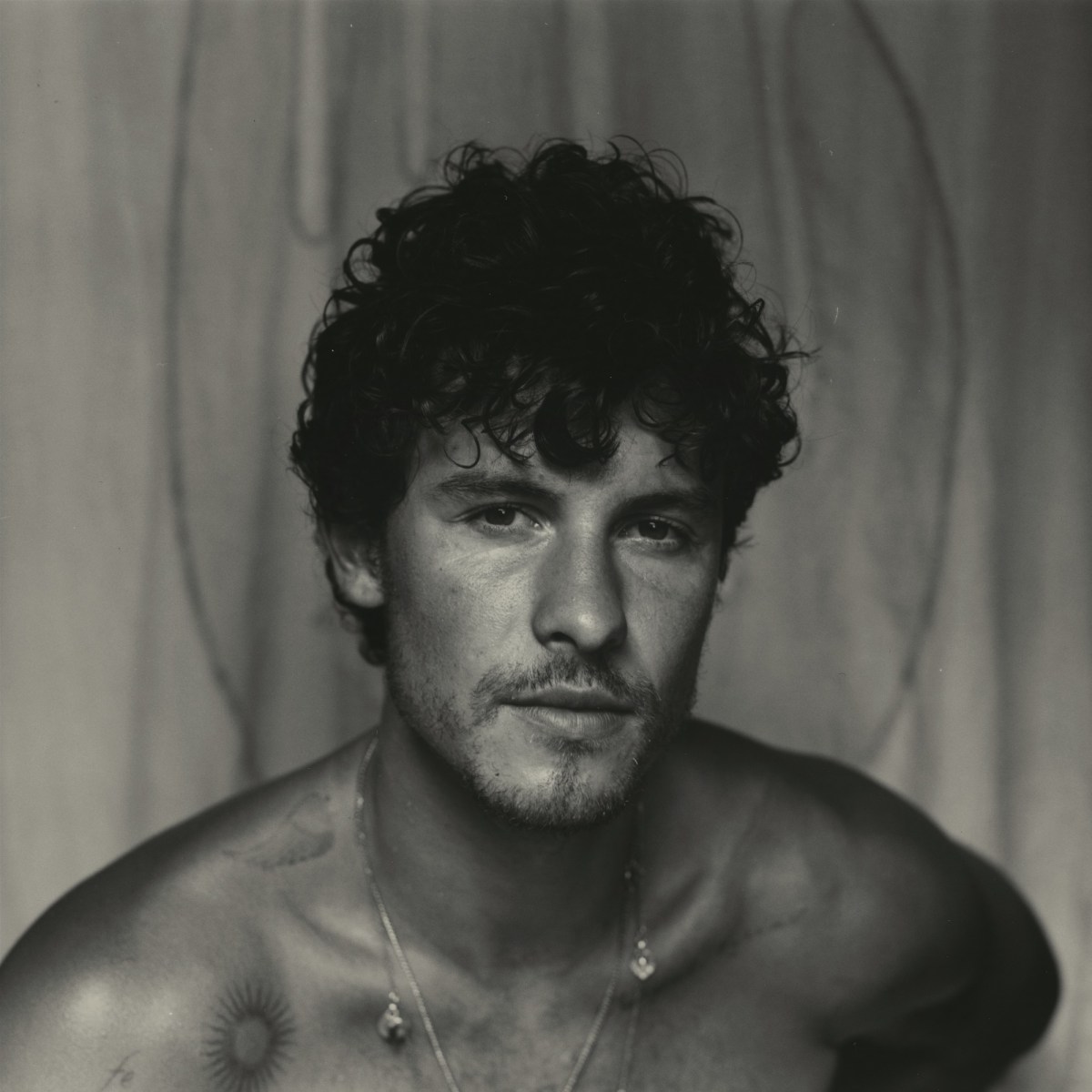
Shawn Mendes Redefines His Limits In ‘Shawn’

Have we heard the best of Shawn Mendes? That’s the question I’ve been asking myself since listening to Mendes’ hits like “Lost In Japan” and “In My Blood.” Listeners might be pleasantly surprised that the artist’s latest album, Shawn, unveils a new, unexpected side of the singer we’ve never witnessed. 

Mendes shot to stardom in 2015 with his hit “Stitches,” and ever since then, the world has been in love with one of the greatest pop singers to date. Shawn is the singer’s 5th studio album and the 2nd to be named after himself. I thought we’d seen the best of the singer after Mendes released his 3rd album, Shawn Mendes, which featured hits like “Nervous,” “Youth,” and “Lost In Japan.” 

However, after a thorough listen to his latest release, Mendes revealed that the best is yet to come with his most vulnerable album. 

Listeners can expect to hear influences from ’70s classic rock, a departure from the pop sound that Mendes is known for. This shift in sound is a bold move, but it doesn’t take away from the overall effect, which is a rarity. The album’s mood is tranquil, serene, and open to interpretation as the singer addresses his hopes, dreams, and more controversial topics like his sexuality. 

Noteworthy tracks that stand out in this album include “That’s The Dream,” “Why Why Why,” “Heart of Gold,” and “The Mountain.” These tracks capture the essence of Mendes’ clarity as listeners journey through self-discovery through the artist’s eyes. 

Shawn is undoubtedly his most raw and powerful work yet. Through this album, Mendes strips back the pop polish and dives into more introspective themes, showcasing a vulnerability and artistic maturity many fans may not have anticipated. However, in exploring these deeper, more personal narratives, Mendes takes a departure from the upbeat, catchy melodies and light-hearted charm that initially endeared him to millions, signaling a significant shift in his music style.

Mendes’ vocal range isn’t necessarily challenged in this album; instead, it finds a comfortable, mellow groove he settles into for most tracks. Much like Taylor Swift’s Folklore and Evermore, Shawn carries a cohesive sound throughout, with many songs blending into a similar sonic landscape. This approach underscores the album’s tranquility and reflective nature, inviting listeners to immerse themselves in the calm and contemplative atmosphere, allowing the lyrics and introspective themes to take center stage.

Fans can expect a new wave of music from Mendes, inspired by the spirit of the ’70s and authentic hippy culture. With Shawn, Mendes steps into a more relaxed, soulful sound that taps into classic rock influences, hinting at a fresh chapter in his artistic journey. This album previews the deeper, more grounded music that lies ahead, showing that Mendes is ready to explore new depths while staying true to his evolving vision. It’s a bold step forward, leaving listeners wondering how far this journey will take him.

Categories
Music News Reviews

Halfway to Greatness: Kelsea Ballerini’s Patterns Hits and Misses

Kelsea Ballerini’s latest album, Patterns, delivers a mix of personal introspection and catchy melodies yet ultimately falls short of reaching the heights set by her previous work. While Ballerini has always excelled at crafting relatable songs that touch on love, loss, and self-discovery, Patterns lacks the cohesion and standout qualities that made SUBJECT TO CHANGE such an engaging listen. This new album has moments of brilliance, but overall, it feels more like a collection of individual songs rather than a well-curated body of work.

About half of the album’s tracks capture the charm and lyrical introspection that Ballerini is known for, resonating with a touch of authenticity. Among the standout songs is “Sorry Mom,” a vulnerable piece that explores familial ties with a mix of regret and appreciation. Ballerini’s honest reflections on her journey resonate deeply, and the track’s melody perfectly complements the weight of her lyrics. Similarly, “Baggage” delves into emotional struggles, presenting a fresh perspective on our personal burdens. The way she navigates such delicate themes shows her growth as an artist, willing to dive into rawer territories without losing her approachable style.

Tracks like “How Much Do You Love Me” and “Two Things” continue to showcase Ballerini’s lyrical strength and emotional depth. “How Much Do You Love Me” feels particularly genuine as she muses on the nature of commitment and trust in relationships. Her voice’s vulnerability is accentuated by the track’s minimalist arrangement, allowing her storytelling to take center stage. “Two Things,” on the other hand, touches on the complexities of balancing personal and professional life, reflecting on the often-overlooked struggle to prioritize one’s needs amid external expectations. These songs resonate well and contribute to the album’s introspective tone.

Then there are songs like “We Broke Up” and “Deep,” which lean into Ballerini’s pop sensibilities. Both tracks are catchy, with infectious choruses and memorable hooks. “We Broke Up” has an upbeat, almost carefree vibe despite its subject matter, making it a fun yet thoughtful addition to the album. “Deep” is similarly appealing, showcasing Ballerini’s ability to blend relatable lyrics with an accessible pop-country sound that remains true to her brand.

Despite these highlights, Patterns doesn’t feel as dynamic or cohesive as her 2022 release, SUBJECT TO CHANGE. That album seemed to have a stronger sense of purpose, and each track felt like it contributed to a bigger narrative arc. With Patterns, however, a lack of flow makes the album feel somewhat disjointed. The tracklist doesn’t always work in harmony, and a few songs feel more like filler than vital puzzle pieces. Where SUBJECT TO CHANGE captivated with its energy and thematic unity, Patterns feels slightly flat in comparison, missing the spark that truly defines an exceptional album.

Categories
Music News

Remembering Liam Payne

It is with heavy hearts that we share the news of Liam Payne’s unexpected passing. All who knew and loved him will deeply miss his vibrant spirit and unwavering positivity.

This article hopes to spread positivity about Payne’s accomplishments and celebrate the late singer’s life as he passed away suddenly on October 16th, 2024. 

Liam James Payne, born on August 29, 1993, in Wolverhampton, faced health challenges from birth, being born three weeks premature with a dysfunctional kidney that required regular hospital visits and treatments. Despite these early struggles, he excelled in sports, mainly cross-country running, ranking among the UK’s top three 1500m runners in his age group. He also took up boxing at age 12 to cope with bullying. Payne pursued an education at St Peter’s Collegiate School and studied music technology at the City of Wolverhampton College. His introduction to show business came at 12 when he joined the Pink Productions Theatre Company, even performing in front of 26,000 people at a Wolverhampton Wanderers match.

Liam Payne first auditioned for The X Factor in 2008 at age 14, but it was his 2010 return that led to his big break. Despite being eliminated during the solo rounds, Payne was brought back to form a boy band with Harry Styles, Niall Horan, Louis Tomlinson, and Zayn Malik. This group, One Direction, became a global sensation after finishing third on the show. They signed with Simon Cowell’s Syco Entertainment and released their debut single, “What Makes You Beautiful,” which became a worldwide hit. Their albums, including Up All Night, Take Me Home, and Midnight Memories, broke records, with Midnight Memories being the best-selling album globally in 2013. One Direction’s tours, especially the Where We Are Tour, drew millions of fans and set revenue records. Throughout their success, Payne was recognized for his strong vocals, particularly after Malik’s departure and his role as a principal songwriter. After five albums and numerous accolades, One Direction went on hiatus in 2016, marking the end of an era that Payne helped define.

Payne had six award nominations and one win under his belt as a solo artist, including nominations for Teen’s Choice Summer Song, Choice Hottie, and iHeartRadio’s Best New Pop Artist in 2018 and Best Solo Breakout. He was nominated for Hollywood Music In Media’s Best Original Song – Feature Film and MTV Video Music Awards’ Best Dance Video with Zedd. He won Teen’s Choice Latin Song, which was “Familiar.”

After news of Payne’s death, fans and friends far and wide broke their silence remembering the One Direction alumnus. Charlie Puth, Camila Cabello, One Direction members, and more were of the thousands of people grieving the 31-year-old singer. Shawn Mendes dedicated an unreleased song to Payne, saying, “The World Is Crying For You, Brother,” and calling Payne a “beautiful soul.” Hundreds of fans were reported to have gathered at London’s Kensington Gardens this week to grieve the late singer. 

Liam’s music, warmth, and zest for life will continue inspiring and uplifting those who admire him. His legacy lives on through the love he shared and the joy he brought to countless people worldwide.

Liam, thank you for the music, the memories, and the love. You will forever be missed but never forgotten.