Categories
Uncategorized

Elton John and Brandi Carlile Soar on Who Believes In Angels?

When two musical worlds collide with this much heart, you don’t just listen—you feel it in your bones. Who Believes In Angels?, the unexpected but deeply resonant collaboration between Elton John and Brandi Carlile, is more than just an album; it’s a conversation between generations, genres, and spirits. With a title that sounds like a hymn and a dare, the project arrives steeped in the sacred and the searching, bridging John’s decades-long legacy of glam, grief, and grandiosity with Carlile’s raw, rootsy truth-telling. This isn’t just about two powerhouse voices—it’s about the emotional weight they carry, the stories they tell, and the healing they offer along the way. Whether you’re a lifelong fan or stepping into their orbits for the first time, this album asks a tender, timely question: What do we believe in now?

Right away, one of John and Carlile’s most intriguing choices with Who Believes In Angels? is splitting the album into two discs—a rare move in today’s streaming-heavy world, but one that signals intention. This isn’t just a playlist of songs tossed together; it’s a structured, almost cinematic experience. Each disc seems to tell its own story while remaining part of a greater, emotional arc. That decision sets the tone for an album meant to be absorbed, not just consumed.

Musically, it’s a well-paced journey—an ebb and flow between slow-burning ballads and upbeat, sometimes defiant anthems. The tracklist has an emotional rhythm that keeps the listener on their toes without ever feeling disjointed. It leans into both artists’ strengths: John’s piano-driven drama and Carlile’s folk-rock grit.

Two songs in particular made an immediate impression. The title track, “Who Believes In Angels?,” feels like the heart of the album—an aching, gospel-tinged meditation that sounds like it was pulled straight from a stained-glass memory. It’s reflective, searching, and delivered with a vulnerability that lingers long after the final note. In contrast, “Swing For The Fences” bursts with life. It’s bold, fiery, and charged with a hopeful urgency—a rallying cry for anyone who’s ever dared to dream big or love hard.

Those first listens hint at the emotional range and intentional craftsmanship behind the album. It’s clear from the outset that this is not just a cross-generational collaboration; it’s a work of art.

Lyrically, Who Believes In Angels? is rich with emotional weight and thematic depth. It wrestles with big, timeless questions—about faith, legacy, resilience, and the fragility of hope—without ever tipping into melodrama. What’s most striking is how the album feels both deeply personal and universally resonant, like a letter to the past and a prayer for the future.

The title track sets the tone thematically: a gentle reckoning with belief in a world that often feels broken. Without demanding an answer, it asks whether holding on to something spiritual—or even just optimistic—is still possible. That same spiritual thread weaves through the entire project, not in overt religious language, but through subtle invocations of light, grace, and redemption. The lyrics don’t preach; they plead—gently, beautifully, and sometimes desperately.

One of the most powerful lyrical through-lines is the idea of survival, not just in the face of hardship, but despite it. On songs like “Swing For The Fences,” there’s a fiery insistence on pushing forward, even when the odds aren’t in your favor. The chorus, full of grit and swagger, becomes an anthem for anyone who’s ever felt underestimated. 

There are moments of tenderness too—songs where love is shown not as a grand gesture, but as quiet presence. The lyrics lean into vulnerability, nostalgia, and longing, often pulling from both artists’ life experiences without ever feeling self-indulgent. Whether they’re singing about queer identity, chosen family, or simply the ache of growing older, John and Carlile write like they’re sharing secrets with the listener.

Together, their pens carve out space for reflection, rebellion, and radical hope. It’s the kind of writing that doesn’t just speak—it listens.

Vocally, Who Believes In Angels? is nothing short of mesmerizing. John and Carlile don’t just trade verses—they intertwine, elevate, and challenge each other in ways that feel both organic and electric. It’s a duet in spirit, even when they’re not singing together, because their voices haunt each other’s melodies, like echoes from different lifetimes converging in the same space.

John, as ever, brings that unmistakable warmth and theatricality to the table—his voice a little more weathered, but still powerful, especially on the album’s more introspective moments. His delivery’s a lived-in beauty, especially when he leans into lower registers, where pain and wisdom seem to settle. Carlile, on the other hand, brings fire. Her vocals are raw, textured, and unrelentingly human. Whether she’s soaring through a chorus or cracking just slightly on a fragile note, there’s nothing polished about her performance—and that’s exactly what makes it gripping.

Together, they find a balance that feels sacred. On tracks like “Who Believes In Angels?,” their harmonies feel reverent, like a prayer whispered between two pews. But on more upbeat numbers like “Swing For The Fences,” they let loose, their voices colliding in a way that feels joyful and rebellious. It’s less about perfection and more about presence; both artists show up fully.

Instrumentally, the album is a tapestry of John’s signature piano work, Carlile’s acoustic sensibilities, and thoughtful production that never overshadows the storytelling. There are sweeping string arrangements, gritty guitar lines, and moments of quiet stillness where a single instrument is all that’s needed. The spacious, soulful, and often cinematic production lets every song breathe. No sound feels accidental, but nothing feels overproduced either.

This isn’t an album trying to impress with complexity. It’s confident in its simplicity, letting the strength of the performances and the weight of the lyrics carry the emotional load.

Who Believes In Angels? isn’t just a collaboration—it’s a cultural moment. It’s rare by accident that legends like John choose their creative partners late in their careers. In Carlile, he’s found more than a kindred spirit; he’s found a torchbearer who shares his commitment to storytelling, emotional honesty, and defying expectations. This album feels like a passing of the baton and a standing ovation.

For John, this record expands his legacy beyond pop stardom into something even more profound: mentorship, reflection, and reinvention. He’s no longer the rocket man charging ahead—he’s the lighthouse, guiding others home. And yet, he’s not retreating into nostalgia. His work here is vital, present, and deeply felt.

For Carlile, Who Believes In Angels? cements her role as a generational voice—one who can walk alongside giants without ever shrinking herself. She doesn’t fade into John’s shadow; she stands beside him, fully lit, bringing her own lived experience, grit, and grace to the table. Her continued advocacy for LGBTQ+ voices, women in music, and emotional vulnerability finds an even broader audience through this partnership.

Together, they bridge gaps between generations, genres, and identities. The album doesn’t just appeal to longtime John fans or Carlile’s Americana base; it reaches into multiple communities and invites them to connect through something universal: the search for meaning, for belief, for belonging. There’s also something quietly radical about two openly queer artists making an album steeped in spirituality, not as a performance but as a reclaiming of faith on their own terms. In a time when so much music feels fleeting, Who Believes In Angels? dares to be lasting. It doesn’t chase trends—it creates space. Space to reflect, to remember, and maybe even to heal.

Categories
Music News Reviews

David Archuleta finds his “Freedom”

David Archuleta has long been known for his smooth vocals and heartfelt performances, ever since winning over audiences on American Idol. With his cover of George Michael’s iconic hit
“Freedom,” Archuleta takes on a musically dynamic and deeply symbolic song. Initially released in 1990 as an anthem of self-expression and liberation, “Freedom” remains one of Michael’s
most celebrated tracks. Archuleta’s interpretation of the song presents an intriguing blend of nostalgia and fresh artistry, raising the question—does he do justice to the original while making it his own?

Archuleta’s vocal prowess, a defining feature of his artistry, is on full display in his rendition of “Freedom.” His signature clarity and emotional depth bring a new dimension to the song. From the first notes, Archuleta delivers the song with a smooth yet powerful delivery that aligns well with its anthemic nature. His ability to seamlessly transition between soft, controlled verses and soaring, passionate choruses adds a new layer of intensity to the track, leaving the audience in awe of his vocal control and emotional depth.

One of the most notable aspects of Archuleta’s performance is his attention to phrasing and nuance. While Michael’s original featured a mix of grit and effortless cool, Archuleta leans into a more polished and emotive approach. His vocal runs are clean and precise, and he adds subtle embellishments that personalize the song without straying too far from the original melody.

In the high-energy sections, particularly in the chorus, Archuleta delivers with a sense of conviction that makes the message of “Freedom” feel just as urgent and relevant as it did in the ’90s. While his tone is naturally softer than Michael’s, he compensates with expressive vocal dynamics, building tension and release in all the right places. His controlled yet impassioned delivery ensures that the song remains a vocal showcase and a heartfelt tribute to the late music legend.

David Archuleta’s cover of “Freedom” is a minute shorter than George Michael’s original, offering a more streamlined version of the song that still packs an emotional punch. While Archuleta trims some of the song’s length, he retains the powerful gospel elements that made the original so stirring. The background choir and soaring backing vocals remain key to the arrangement, providing a sense of uplift and reverence.

What’s striking is how Archuleta delivers the song with his soulful flair. His version feels intimate yet powerful, leaning into the song’s celebratory spirit with subtle yet impactful vocal runs. The
production stays true to the spirit of Michael’s version but with a slightly more stripped-back, organic feel that highlights Archuleta’s vocal strength. Rather than overpowering the song with excessive layers, the production lets his voice shine, offering a modern yet respectful tribute to Michael’s legacy.

As the first cover I’ve heard from Archuleta, his take on “Freedom” left a strong impression. Archuleta has always carried an air of sincerity and vulnerability in his music, and “Freedom” perfectly matches his personal identity. With its message of liberation and self-expression, the song pairs effortlessly with Archuleta’s journey, especially in recent years, as he’s embraced his freedom and authenticity in his music and public life. His heartfelt delivery feels genuine as if he’s not just covering a classic but embodying the spirit of the song.

The cover has deeply resonated with Archuleta’s fans, who are drawn to his openness and courage. For newer listeners, it introduces them to the powerful message of “Freedom” while showcasing Archuleta’s ability to reinterpret well-known songs. This cover fits naturally within his evolving artistic direction, demonstrating a willingness to take on a bold, empowering anthem. Archuleta’s version doesn’t just revitalize the classic; it enhances it, offering a fresh perspective that feels deeply personal and authentic. The shared appreciation for this cover creates a sense of community among his fans and listeners.

Categories
Concert Photography

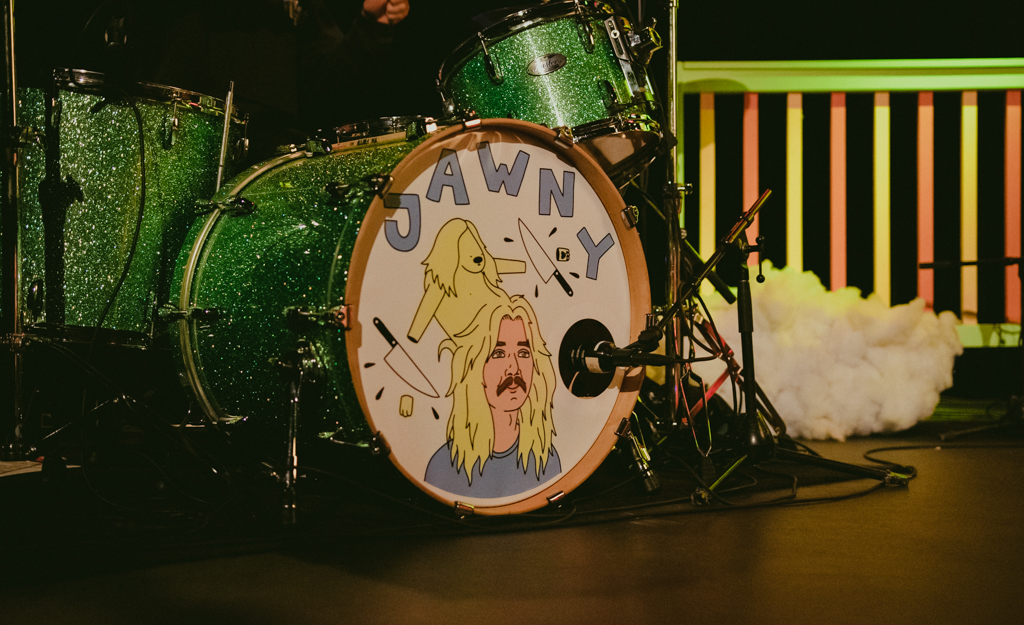
JAWNY at Music Hall of Williamsburg

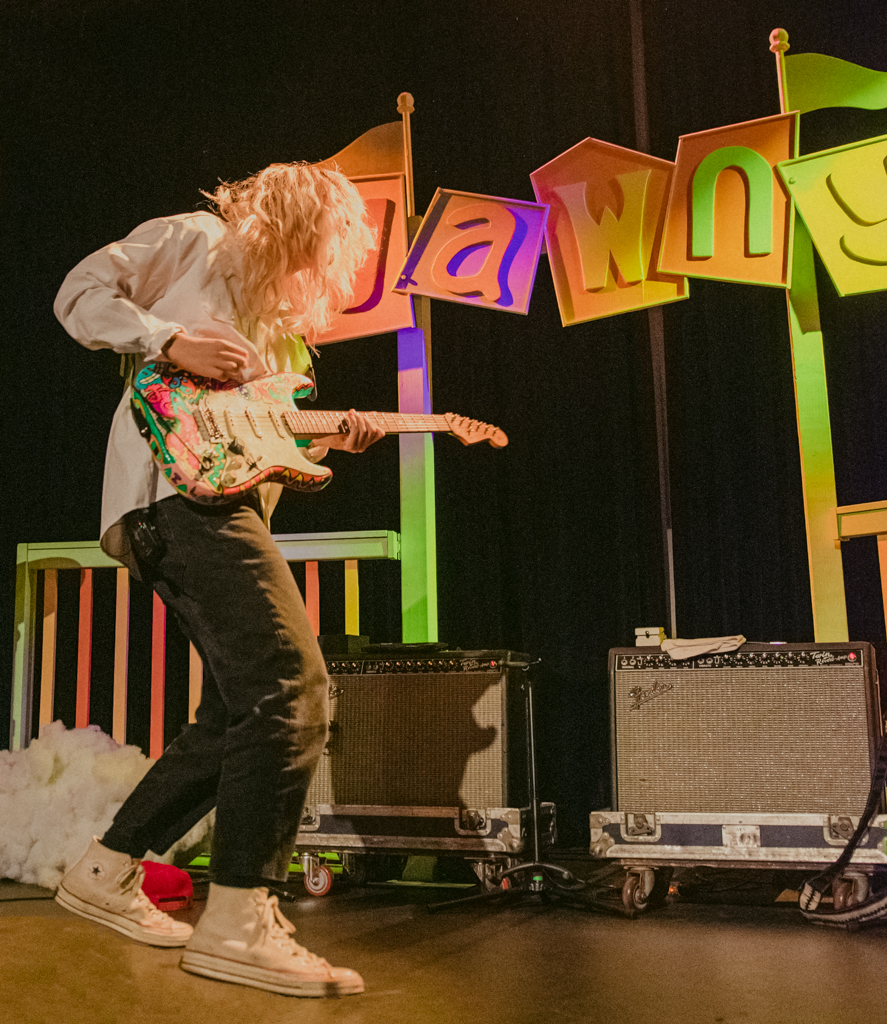
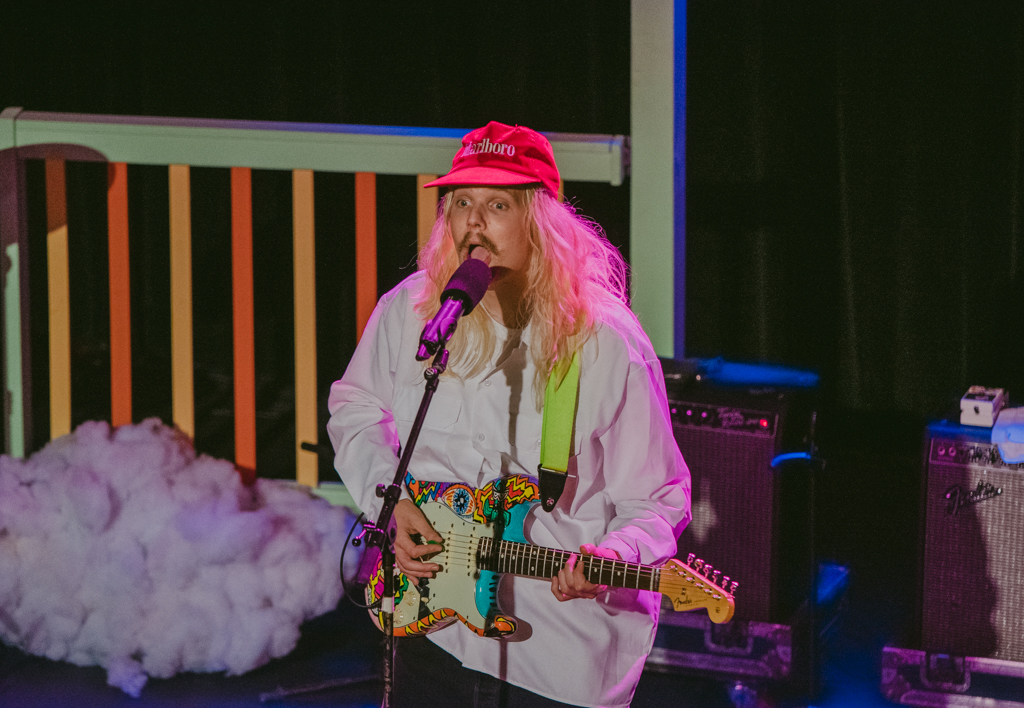
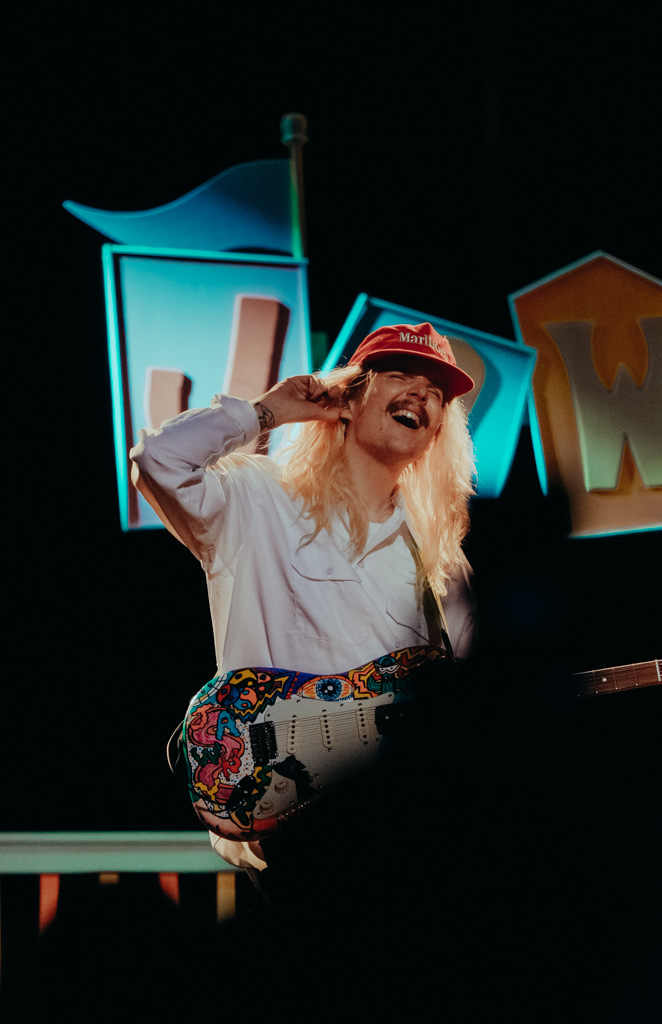
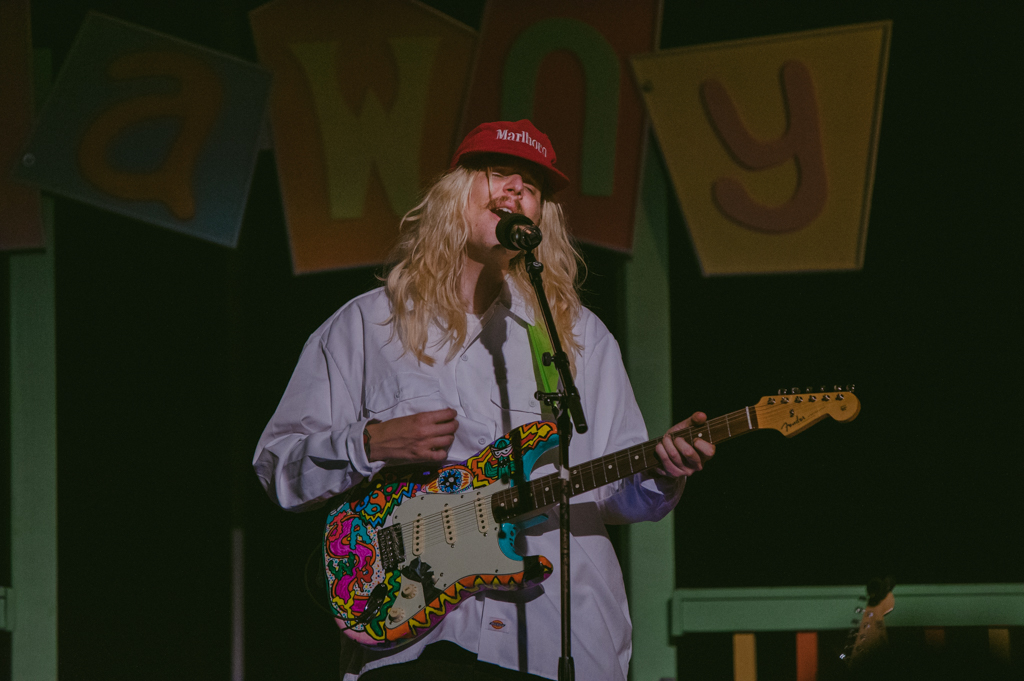
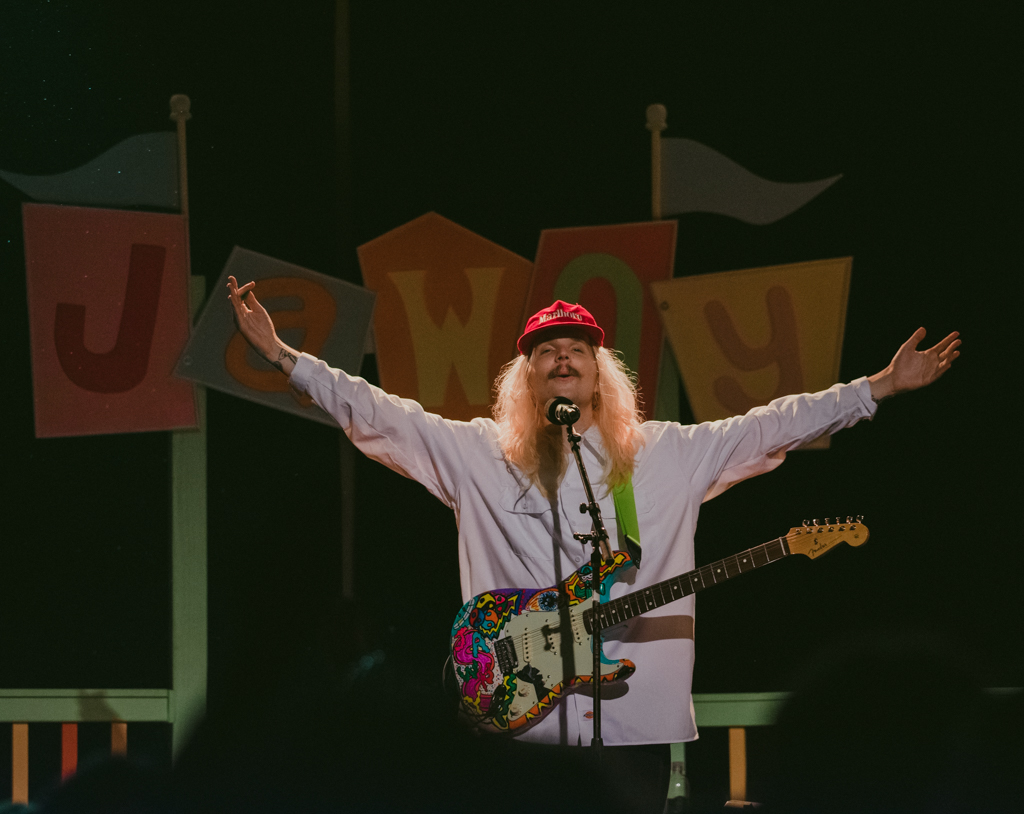
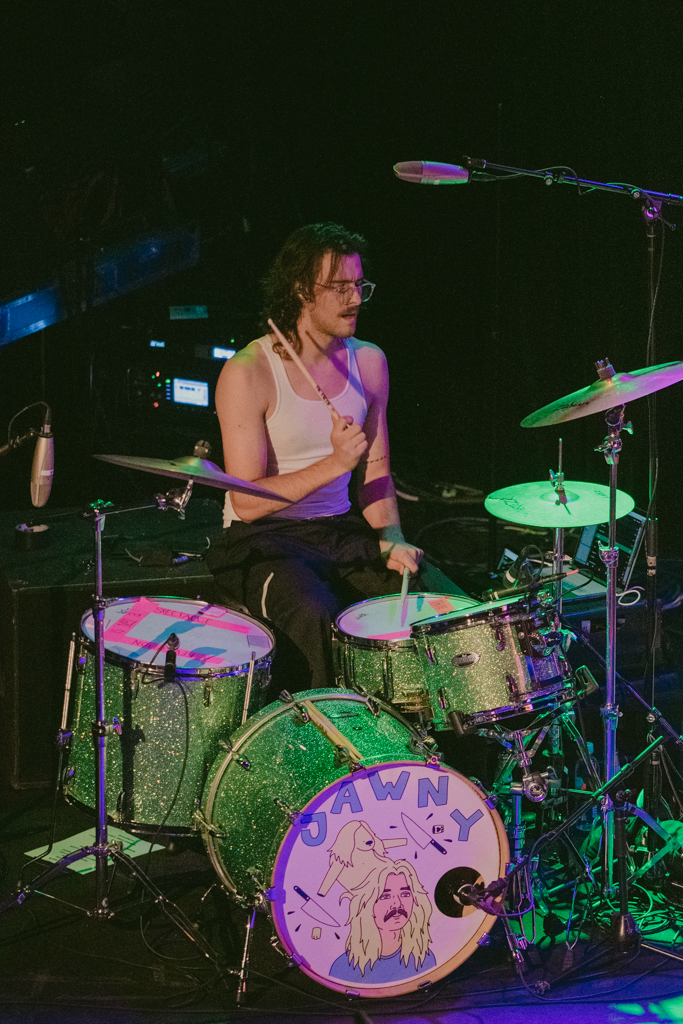
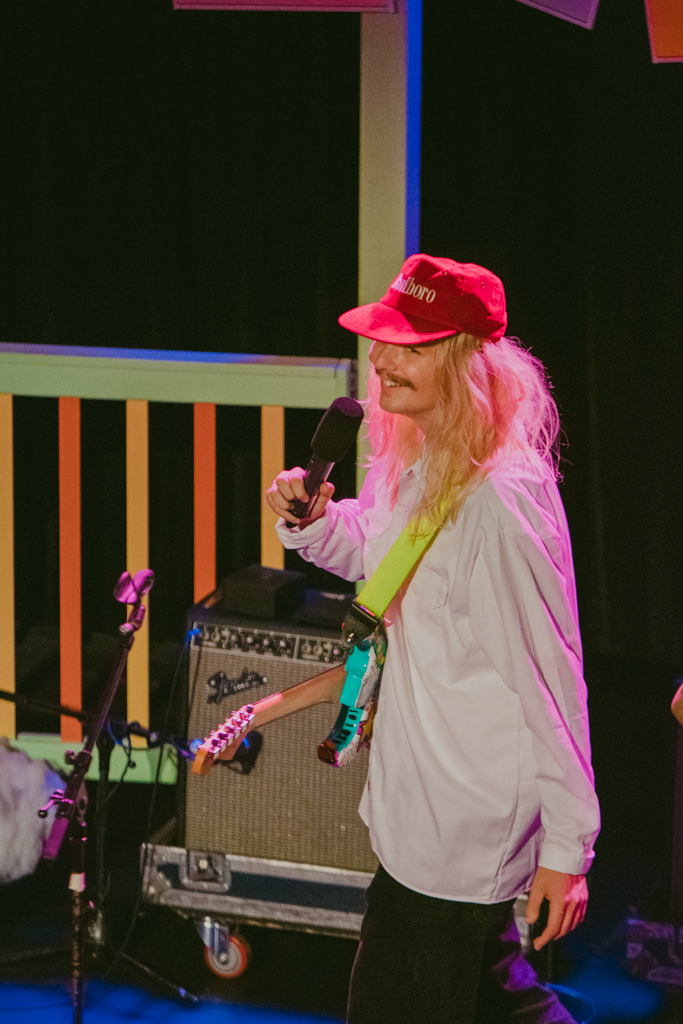
Performing at the Music Hall of Williamsburg on November 10th, JAWNY walked onto the stage with a cheeky smile as Taylor Swift’s “You Belong With Me” blasted. The song was one of the many mid-2000’s hits that the artist played before his set — all of which the crowd sang along to in unison.

As Swift’s song ended and JAWNY’s time began, he played the opening notes of “Take it Back” before abruptly stopping. A crew member had gotten his attention because an audience member felt unwell and needed a medic. The entire room instantly tensed up — just days before the show, the tragic events at the Astroworld festival had transpired, leaving the concert world in a state of shock and grief. Unlike artists at Astroworld, JAWNY instantly quieted the crowd, made sure the audience member was getting help, and even gave her one of his water bottles.

The crowd cheered as the artist threw a bit of shade,

“This is what we do when someone isn’t feeling good…we stop…the…show” he emphasized.

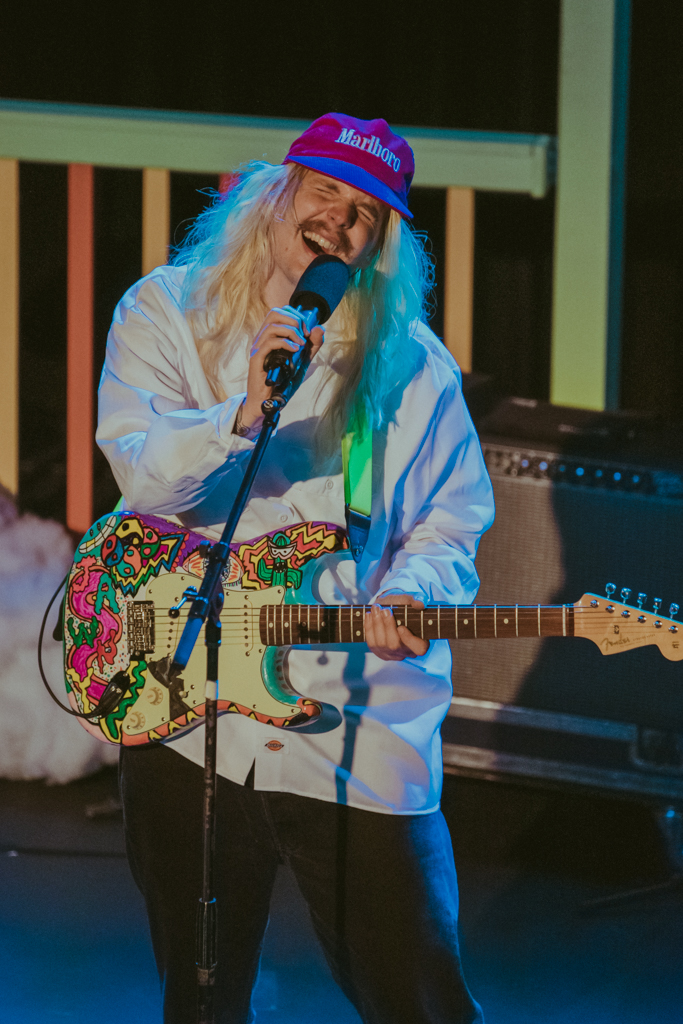
Despite being visibly shaken up after the incident and having rolled his ankle at the Oakland stop of the tour, the artist put on a stellar performance filled with energy. 

JAWNY interspersed humorous stories in between performing hits such as “Honeypie”, “4Tounce”, and “For Abby”. Known for his witty storytelling, the artist shared that he constantly runs over his set time because he rambles on for too long, and sassily remarked,

“I always go over time and get in trouble with the venue…so I’ll shut the fuck up and play.”

Ironically, the artist ended up performing a multi-song encore for the crowd, though we trust that he kept his word and didn’t go over time. 

JAWNY released his latest project, The Story of Hugo, in July of this year. Listen to the project here.

Article and photos by Ana Medvedeva.

Categories
Concert Photography music festival Music News Reviews

Deep Tropics 2021

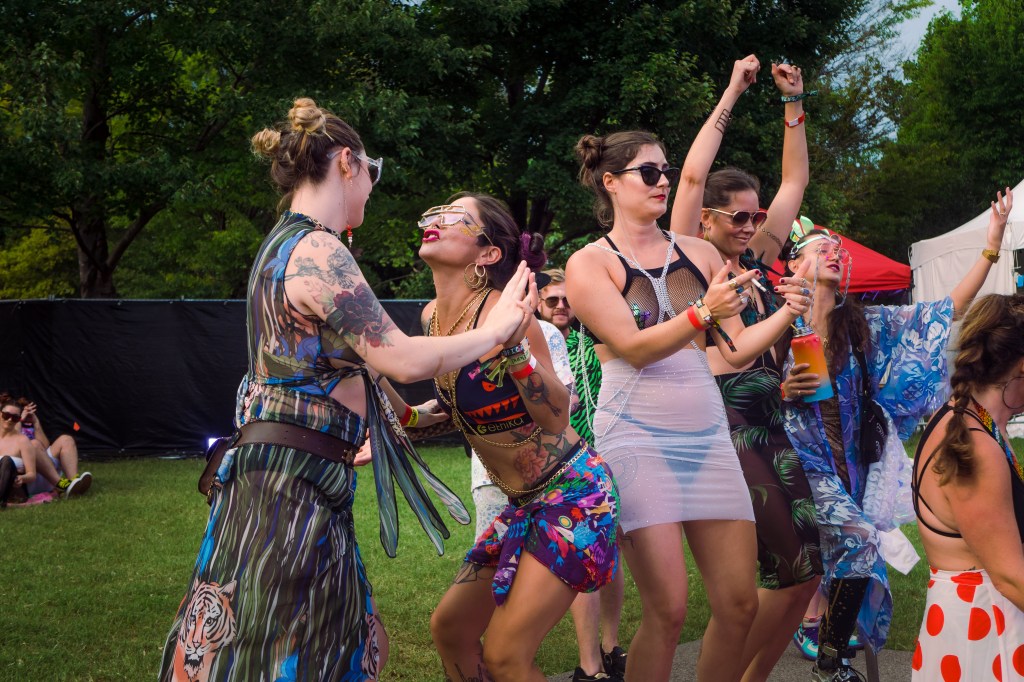
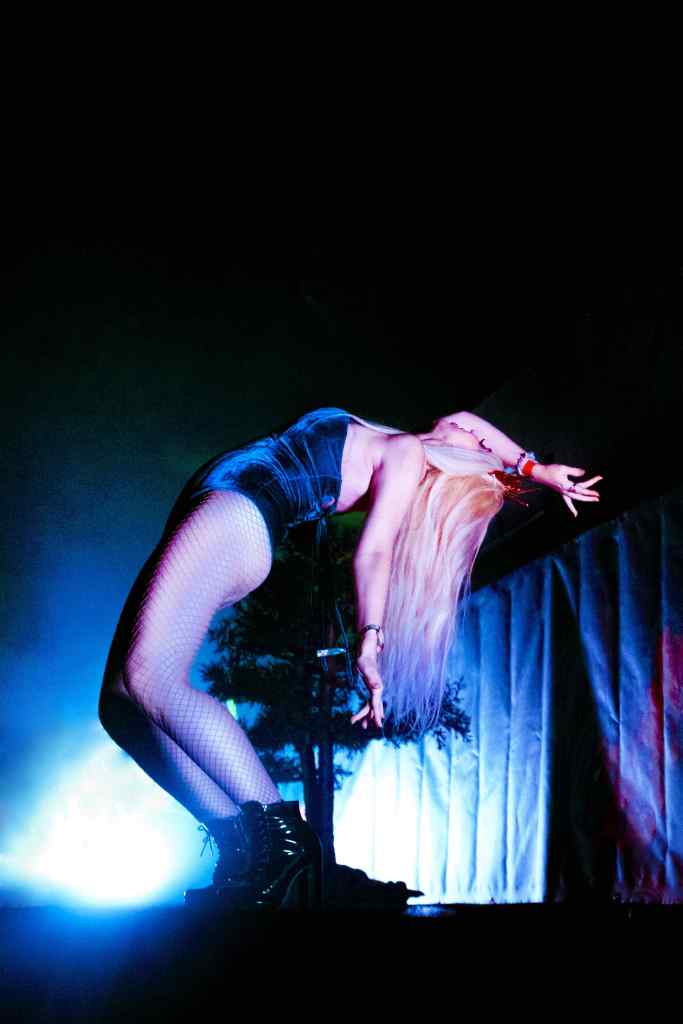
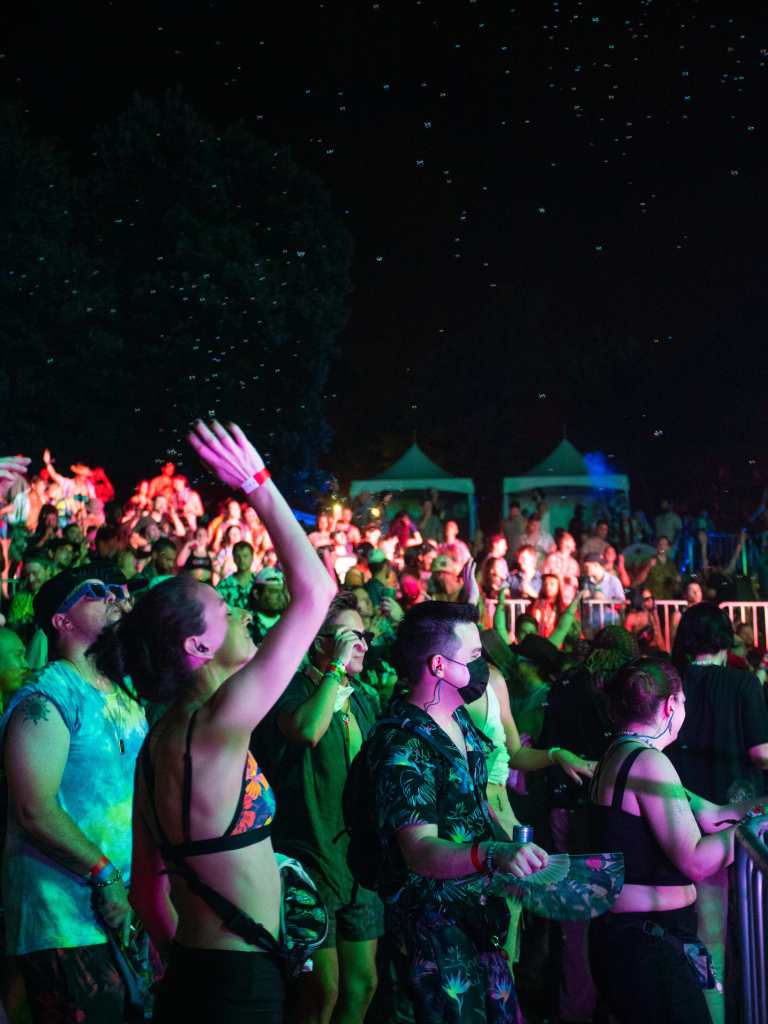
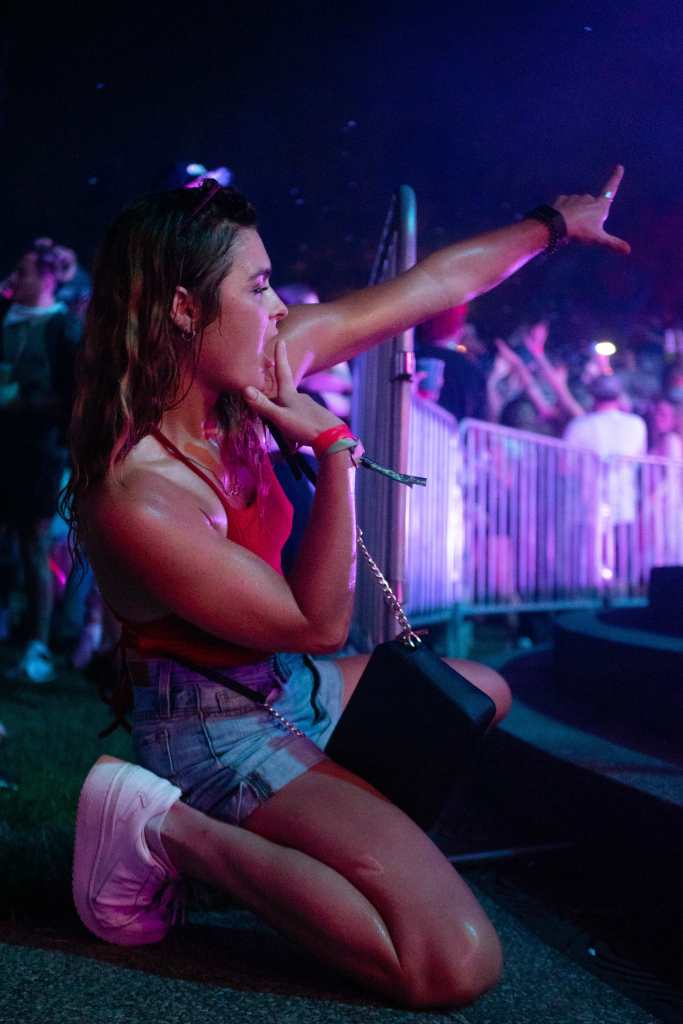
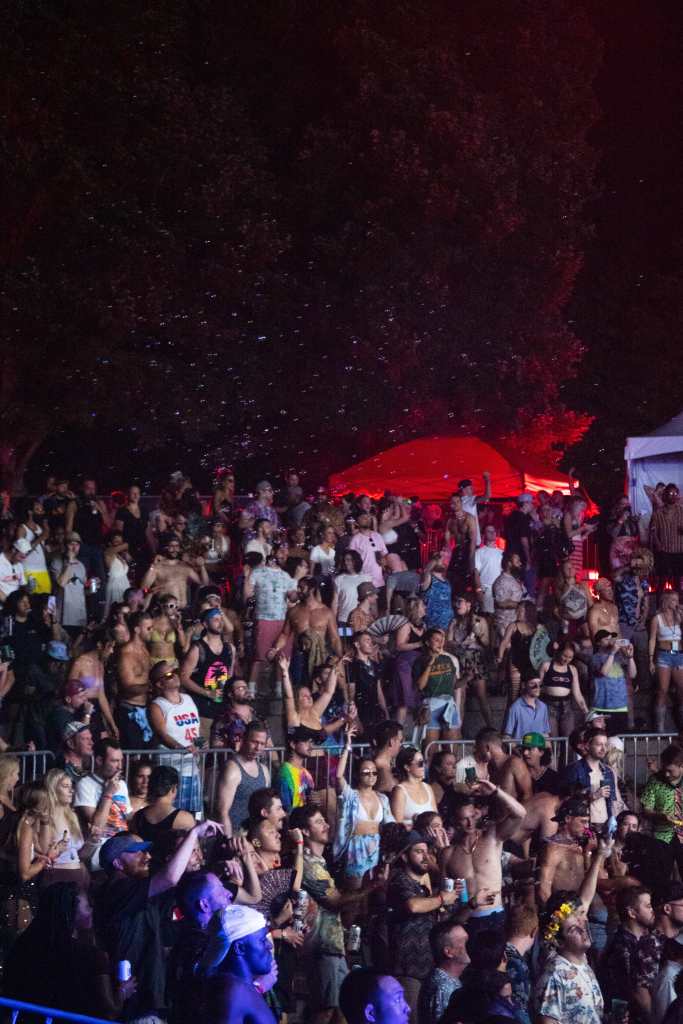
Nashville danced all weekend long during the Deep Tropics music, art, and style festival, paying no mind to the sweltering heat. It was a collective agreement that we were all grateful to be together, sharing love and sweating it out on the dance floor after a year where we were all so far apart.

One of the coolest parts about Deep Tropics was that it was set to be the greenest festival in the world. If you were there you noticed there were zero trash cans. That’s right! Everything was compostable or recyclable, including all the cutlery and even free ash try pouches. The commitment to being sustainable was refreshing to see, and it was incredible to see so many attendees who were passionate about the environment as well.

The Friday lineup included Clozee and Whethan on the Meru main stage, and the amphitheater was packed for both of their sets.

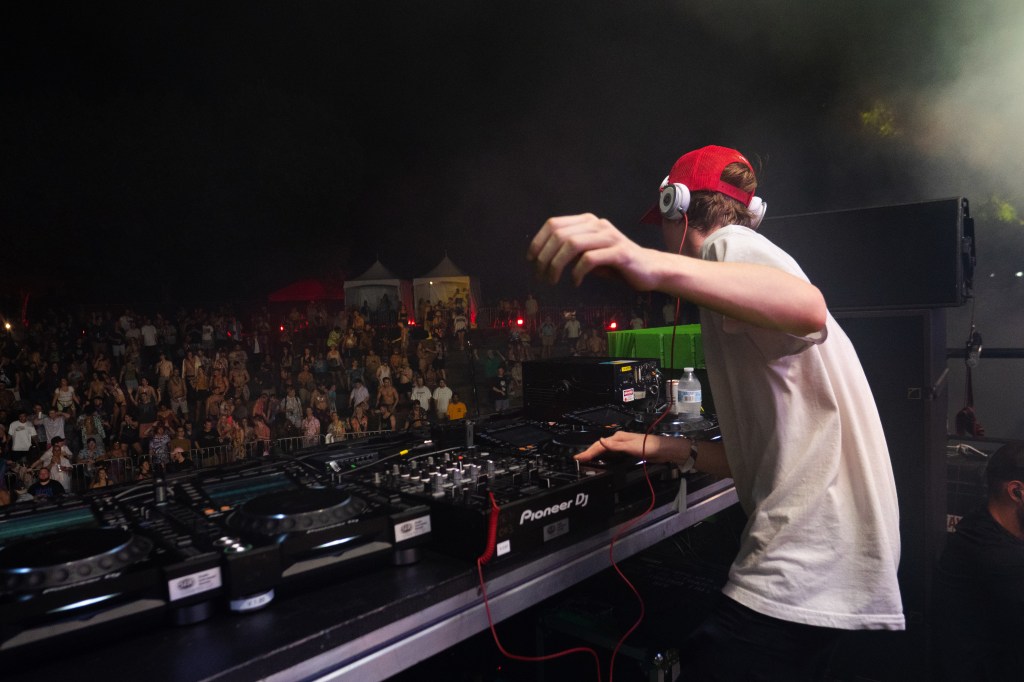
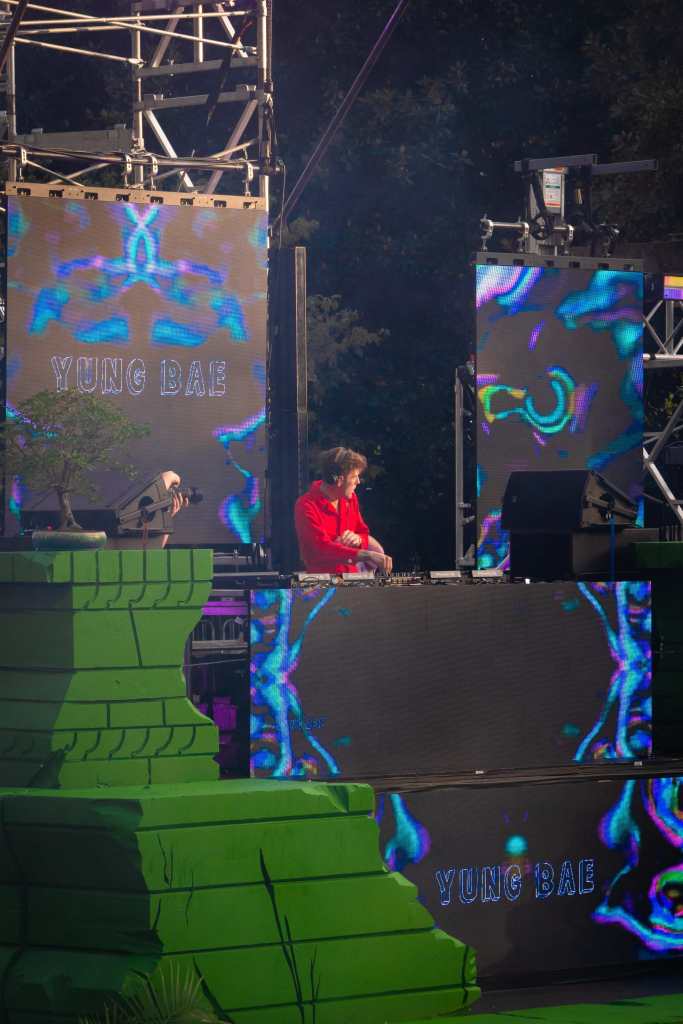
Hourglass kicked us off on Saturday. The crowd was slowly trickling in, but she had everyone up and dancing and ready for Day 2 in no time. Cassian and Young Bae followed on the main stage while people flaunted their outfits and much-needed fans.

And let’s not forget about the Congo Soundsystem stage! This stage was close to the heart of Tennessee. Memphis-native Qemist performed, as well as several hip-hop artists from Nashville such as A.B. Eastwood, $avvy, Brian Brown, and Tim Gent. The energy around this stage was always a vibe no matter who was playing!

As the night rolled around, more and more people streamed in. Bubbles filled the air, the VIP section was bouncing, and folks were captivated by the poi spinners around the park. Unfortunately, Moon Boots had to cancel on Saturday, whom I know many fans were looking forward to. But CharlestheFirst and Claude VonStroke kept the spirits alive, so any momentary sadness at that news was soon forgotten.

Deep Tropics was an incredible way to close out summer and celebrate the return of music festivals. Hopefully this helped pave the way to making all festivals sustainable, showing that we can do all of our favorite things while saving the planet, too. See you all next year!

Categories
Music News Reviews

KiNG MALA introduces herself in GEMiNi

Areli Castro, better known as KiNG MALA, released her debut EP GEMiNi this month. After several singles were put out in the last two years, we finally have a collection from the alternative soul artist!

“I realized that as different as each song is, the whole EP is just 2 sides of the same coin playing out over and over again, 2 versions of the same character. So that is the reason I chose the name gemini, to represent the balance and chaos between two halves of the same thing,” says KiNG MALA. With that as an introduction to the EP, I was more than ready to dive in.

If I had to pick a favorite, it would be “If I Try to Find You,” which was released as a single earlier this year. The song weaves us through mellow verses with a simple beat but overlaid with haunting background vocals, and then erupts into a passion-filled chorus.

We get three songs on the EP that we haven’t heard before: “B4U,” “Give Me,” and “Funeral.” In all of the songs KiNG MALA shows us her badass, confident side, but then flips and shows us someone who wants to stay home or escape the life she’s living. And while both of those sides seem so different, she shows us that in life and in music, they are in balance.

Take a listen and let us know what you think of GEMiNi!

Categories
Uncategorized

Miley Cyrus goes glam rock with “Plastic Hearts”

I’m a few days late to this review, but Miley Cyrus’s new album requires some time to sit with to take in the full effect. Plastic Hearts is one surprise after another: with a ballad taking the #3 slot, absolute icons joining for features, live covers, and a whopping 15 tracks. Buckle up, let’s go!

The first song, “WTF Do I Know,” kicks off the album with an anthemic start. Only a few seconds in I was begging that the rest of the album be exactly the same. Miley has already proven she can remake herself and jump between genres time and time again, but I was hoping one day she would bring more rock influence into her music. And she delivered.

Timeless is a word that comes to mind when listening to this LP, and I can surely see us jamming to some of these tracks for years to come. It’s a rare day when I suggest songs for my dad to listen to, but I know we will both be playing the air drums in the car to “Night Crawling” featuring Billy Idol.

The latter half of the album really slows down though, and that was initially a little disappointing to me. I still like the songs, but I wanted more rock ’n roll, more angst, more songs that feature Miley’s incredible vocals that you can hear in her live cover of The Cranberries’s “Zombie.” Am I the only one who was expecting something a little more exciting out of “Prisoner,” her song with Dua Lipa?

But guess what? Miley does what she wants, and her music is primarily for her. And I applaud that. And I will scream from the mountaintops in support of topics she covers: about sexist double standards, about how being LGBTQ+ is normal, and about being unapologetically herself and loving it.

You’ll find me later learning to play “High” on the guitar and being thankful that Miley was able to salvage the music that was lost in the fire that burned down her home in LA.

Categories
Music News Reviews

Shallou creates pure magic on debut album, Magical Thinking

Whether you’re social distancing at home or driving to your (essential) job, consider putting on a track or two from Shallou’s newest album, Magical Thinking. It contains thirty-eight minutes of pure emotional joy that deserves to be thoroughly listened to. The first few seconds of the intro track immediately brought me back to a past summer and pushed all worries I had from this difficult time out of the way. Nothing like a nice drive with ‘‘Forget’’ playing in the background to make you feel like the world is back to normal, even if it isn’t. 

The album surrounds the concept of memory loss, holding onto those intimate moments before they become out of reach. It shifts from the sadness of memory loss to represent the seasons with all of it’s changes and how that relates to people. The album holds an emotional aspect to it; maybe it’s from the introspective lyrics, or the spacious, light tone of the vocals, but it definitely left me with a heavy heart and a breath of fresh air. The production seems slightly opposite from emotional as it stems from joyous electronic pop but does a magnificent job keeping the allure of ‘‘whimsical sadness’’ that Shallou describes in his music. 

The album features collaborators; Ashe, Daya, Zachary Knowles, and many others, that makes it all even more worth listening to as each artist brings their own flair without compromising the overall message in each track. 

My favorite track would have to be, Older featuring Daya. It’s everything you need in a song from the combination of Daya’s vocals, Shallou’s production, and the top-notch songwriting putting it at my number one track on-repeat. The lyrics, ‘‘Maybe one day when I am older, I might understand why love doesn’t happen to everyone who wants it’’ is so beautifully written and performed, it is just the heart-breaking, ambient ear candy we were all looking for. Shallou has built a name for himself as one of music’s most organic artists who successfully gained over three million streams thus far. I cannot wait to hear more from Shallou and expect nothing less than something magical from him on the next release. 

LISTEN HERE